Top financial watchdogs have raised serious concerns about the governance and management of the proposed Sh5 trillion National Infrastructure Fund, warning that current legal gaps could compromise transparency and accountability.
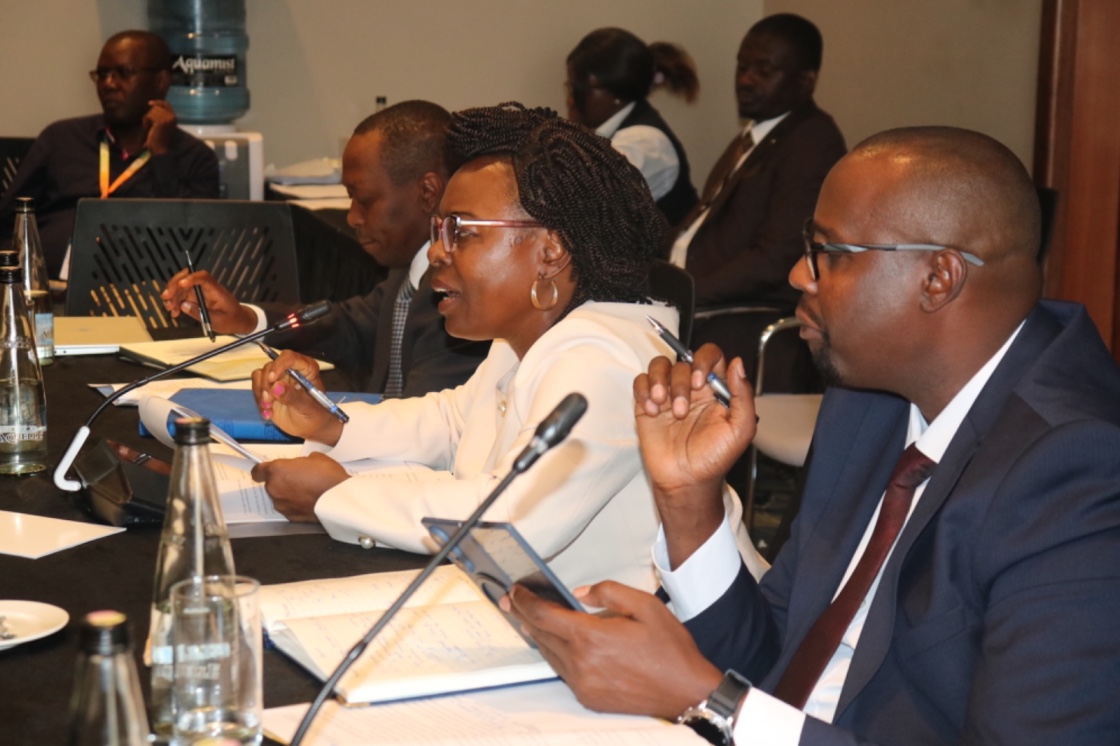
During a session with the National Assembly Finance Committee on the National Infrastructure Fund Bill 2026 on Wednesday, experts stressed the need for clear oversight mechanisms and proper integration with Kenya’s public finance system.
The office of Controller of Budget Margaret Nyakang'o highlighted that the fund has been structured as a corporate entity rather than a public fund, creating risks for misuse. Nyakang'o questioned why her office would not have a role in approving withdrawals or monitoring expenditure, describing the omission as potentially unlawful.
The Controller of Budget also pointed out ambiguities in the bill regarding the applicability of the Public Finance Management Act. The draft law does not clearly define how the fund will be monitored, who has authority over spending, or how it will report to the Controller of Budget, leaving key oversight functions undefined.
Another area of concern is the handling of proceeds meant for the fund. Nyakang'o noted that the bill does not explicitly allow for money to bypass the Consolidated Fund.
“For example, if we are to sell KICC, how do we ensure that the money goes to National Infrastructure Fund and not Consolidated Fund?” asked the Institute of Public Finance. The lack of clarity could lead to misallocation or delays in transferring funds.
Other financial bodies, including the Institute of Certified Public Accountants of Kenya (ICPAK), have called for the fund to be managed by an independent institution.
ICPAK council member Hesbpn Omollo stated: “We want oversight and credibility...which must be enhanced through funds management by an independent body.” He argued that placing the fund under the National Treasury could undermine trust and transparency.
To strengthen the bill, the Controller of Budget, ICPAK, and the Institute of Public Finance recommended several reforms.
These include requiring that all withdrawals be approved by the Controller of Budget, integrating the fund into the national budget cycle, providing quarterly and annual performance reports, and clarifying the governance and regulatory framework guiding the fund.
The National Infrastructure Fund Bill 2026 has passed its First Reading and is scheduled for a Second Reading in Parliament next week, ahead of public participation and further debate on its oversight mechanisms.






























Comments
Sign in with Google to comment, reply, and like comments.
Continue with Google